Shower Refinishing Near Me: What Chicago Homeowners Need to Know Before Booking
May 13, 2026
Refinishing a Clawfoot Tub: Cost, Process & What Chicago Homeowners Should Know [2026]
May 15, 2026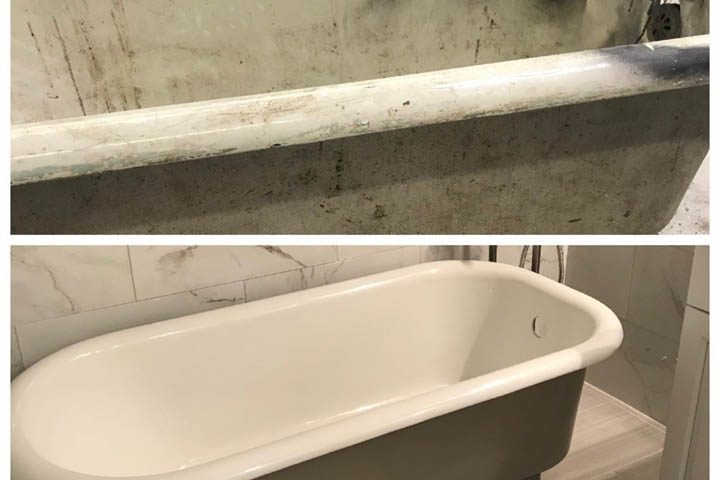
Rusty Bathtub Repair Options: A Complete Guide to Fixing Rust Before It Gets Worse
You step into the shower one morning and notice it — an orange-brown stain creeping around the drain, a rough patch near the overflow, or worse, a soft spot where the enamel has completely worn through. Bathtub rust is one of those problems that starts small and gets expensive fast if you ignore it. The good news? You usually have several repair options before replacement becomes your only move.
This guide breaks down every realistic rusty bathtub repair option based on how severe the damage actually is, what each fix costs, and when it makes sense to call a professional instead of heading to the hardware store.
Why Bathtubs Rust in the First Place
Before diving into repair options, it helps to understand what you’re actually dealing with. Bathtub rust doesn’t just happen randomly — there’s always an underlying cause, and identifying it determines which repair will actually stick.
High-iron water supply: If your home’s water has elevated iron content, you’ll see rust staining on virtually every fixture. This is especially common in older Chicago-area homes that pull from municipal systems with aging infrastructure. The stains themselves aren’t structural damage — they’re mineral deposits sitting on the surface.
Chipped or worn enamel: Steel and cast iron bathtubs are coated with a porcelain enamel layer that prevents the metal underneath from contacting water. When that enamel chips — from a dropped shampoo bottle, years of abrasive cleaners, or just age — moisture reaches the bare metal and oxidation begins. This is true structural rust.
Standing water and poor drainage: A slow drain that leaves water pooled around the drain fitting accelerates corrosion in that area. The constant moisture-to-metal contact eats through enamel faster than anything else.
Metal objects left on the tub surface: Shaving cream cans, metal razor stands, and even bobby pins left sitting in a wet tub will leave rust rings. These are surface stains, not tub damage — but they can be stubborn to remove.
Option 1: DIY Rust Stain Removal (Surface Stains Only)
If you’re dealing with orange discoloration that sits on the surface — meaning the tub finish underneath is still smooth and intact — you likely just need a good cleaning, not a repair. Here’s what actually works:
Bar Keepers Friend (oxalic acid): This is the go-to recommendation across virtually every plumbing and home improvement forum, and for good reason. Make a paste, apply it to the stain, let it sit for 10–15 minutes, and scrub with a non-abrasive sponge. It breaks down iron oxide without damaging porcelain enamel.
Lemon juice and salt: A budget-friendly option for light stains. Sprinkle coarse salt on the rust stain, squeeze lemon juice over it, and let the mixture sit for 15–30 minutes before scrubbing. The citric acid dissolves the rust while the salt provides gentle abrasion.
Pumice stone: Works well on porcelain surfaces for stubborn spots that chemical cleaners can’t fully remove. Wet both the stone and the tub surface first, then rub gently. Do not use pumice on fiberglass or acrylic tubs — it will scratch them badly.
Commercial rust removers: Products like CLR, Iron Out, or Whink Rust Stain Remover are formulated specifically for bathroom rust stains. Follow the manufacturer’s directions carefully and make sure the product is compatible with your tub material.
What to avoid: Steel wool, abrasive scouring powders, and bleach. Steel wool scratches enamel (creating more spots for rust to form), and bleach can actually set rust stains permanently by oxidizing the iron further.
Cost: $5–$20 for cleaning supplies.
Best for: Surface stains from hard water or metal objects; no chips or exposed metal visible.
Option 2: Chip Repair with an Epoxy Kit
If rust has formed around a chip or scratch where the enamel is actually missing, cleaning alone won’t solve the problem. The exposed metal will keep rusting unless you seal it. Bathtub chip repair kits are available at most hardware stores and typically include a two-part epoxy filler and a color-matched touch-up paint.
The basic process:
- Remove all loose rust with fine-grit sandpaper (220-grit works well) or a rust converter product.
- Clean the area thoroughly with rubbing alcohol and let it dry completely.
- Mix the epoxy filler according to the kit instructions and apply it to the chipped area, building up thin layers.
- Once cured (usually 24 hours), sand smooth with fine-grit sandpaper.
- Apply the color-matched touch-up coating.
Realistic expectations: Epoxy chip repairs are functional — they stop the rust from spreading and prevent water from reaching the metal. But they rarely look invisible. You’ll likely see the repair area, especially on a white or light-colored tub. For a single small chip, most homeowners find this acceptable. For multiple chips or larger damaged areas, the DIY approach starts looking patchwork.
Cost: $15–$40 for a repair kit.
Best for: One or two small chips (dime-sized or smaller) with early-stage rust.
Option 3: Professional Bathtub Refinishing
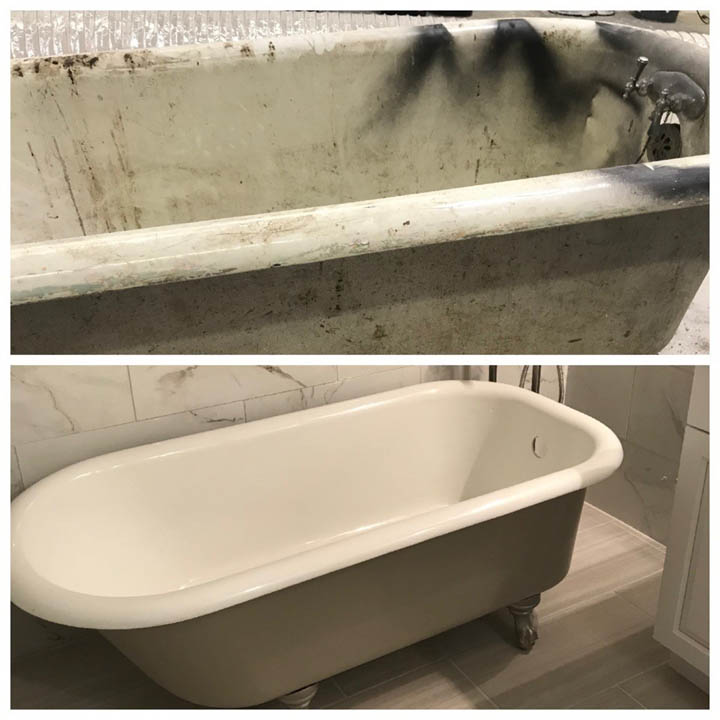
This is where most rusty bathtub situations end up, and for good reason. Professional refinishing addresses both the cosmetic and structural sides of rust damage in a single process. A qualified refinisher will remove all existing rust, repair the damaged substrate, and apply a new coating system that bonds to the tub surface and creates a moisture barrier over the previously exposed areas.
Here’s what the process typically looks like:
- Surface preparation: All rust is ground or sanded down to bare metal. Any soft or pitted areas are treated and filled.
- Chemical cleaning and etching: The entire tub surface is cleaned with industrial-grade products and etched to create a bonding profile for the new coating.
- Primer and coating application: Multiple layers of a specialized coating are applied, building up a durable, moisture-resistant finish.
- Curing: The new surface needs time to fully harden — typically 24–48 hours before the tub can be used.
The key advantage of professional refinishing over DIY patching is coverage. Instead of spot-treating individual rust areas, refinishing recoats the entire tub surface. This means even micro-damage you haven’t noticed yet gets sealed, and the final result looks uniform rather than patched.
Companies like Aarco Baths, which has been refinishing bathtubs in the Chicago area since 1963, use proprietary coating systems that create a permanent moisture barrier — directly addressing the root cause of bathtub rust. Their refinished surfaces come with a 10-year guarantee, which gives you a sense of how durable modern refinishing has become.
Cost: $350–$600 on average, depending on tub size, material, and the extent of rust damage.
Best for: Multiple rust spots, widespread staining, large areas of damaged enamel, or any situation where DIY patches would look obvious.
Option 4: Bathtub Liner (Overlay)
A bathtub liner is an acrylic shell custom-molded to fit over your existing tub. It’s essentially a cover-up — the old rusty tub stays in place, and the new liner sits on top of it with adhesive.
Liners can be a reasonable option in some situations, but there are trade-offs worth understanding:
Pros: Quick installation (usually a few hours), immediately covers cosmetic damage, no demolition needed.
Cons: The rust underneath doesn’t go away — it continues corroding under the liner where you can’t see it. If moisture gets between the liner and the old tub (which happens over time), you can end up with mold growth and accelerated deterioration. Liners also slightly reduce the interior dimensions of your tub, and the adhesive bond can degrade.
Cost: $1,200–$3,000 installed.
Best for: Situations where you want a quick cosmetic fix and plan to do a full bathroom renovation within 5–10 years anyway.
Option 5: Full Bathtub Replacement
Sometimes a bathtub is genuinely beyond repair. If you’re dealing with any of the following, replacement is likely your most practical path forward:
- Rust-through holes: If you can see daylight through the tub floor or walls, the structural integrity is compromised. No refinishing or patching can restore that.
- Widespread pitting: When more than about 10–15% of the tub surface has deep pitting (not just surface stains), the substrate is too deteriorated for a refinishing coating to bond reliably.
- Tub flexing: If the tub floor flexes noticeably when you stand in it, the metal has thinned enough that the tub is a safety concern.
- Subfloor or framing damage: Sometimes the rust issue extends beyond the tub itself. If water has been leaking through a rusted-out area, the floor structure underneath may need repair — and you’ll need the tub removed to access it.
Cost: $1,500–$5,000+ depending on the tub style, whether plumbing needs modification, tile/surround replacement, and contractor rates in your area.
Best for: Structurally compromised tubs, rust-through holes, or situations where you’re already doing a full bathroom remodel.
How to Tell Which Repair Your Tub Actually Needs
The decision tree is simpler than most people think:
Is the enamel surface still intact? If you run your fingernail across the stained area and the surface is smooth, you’re dealing with surface staining. Start with cleaning (Option 1).
Can you feel a rough, pitted, or chipped area? If the stain corresponds to a physical defect in the enamel, the metal underneath is exposed and actively rusting. For one or two small spots, a chip repair kit (Option 2) might work. For anything more extensive, professional refinishing (Option 3) is the smarter investment.
Is there any softness, flexing, or visible holes? That’s structural damage. You’re looking at replacement (Option 5). No coating or liner will make a structurally compromised tub safe.
Preventing Rust from Coming Back After Repair
Whichever repair route you take, prevention is what determines whether you’re dealing with this again in two years or ten. A few habits make a significant difference:
Fix the water source: If your rust stains are caused by high-iron water, consider a whole-house iron filter or a water softener. Without addressing the water chemistry, stains will return no matter how well you clean or refinish the tub.
Keep metal objects off the tub surface: Use a shower caddy or shelf for shaving cream cans, razors, and anything else metal. Those rust rings they leave behind aren’t just cosmetic — they can degrade the enamel over time.
Maintain the caulk seal: The caulk line where the tub meets the wall is a common entry point for moisture. If it’s cracked, peeling, or showing mildew, recaulk it. Water that gets behind the tub surround can cause rust damage from the outside in.
Clean regularly with non-abrasive products: Harsh scouring powders and abrasive pads wear down enamel and refinished coatings. A soft cloth with a mild bathroom cleaner is all you need for regular maintenance. For refinished tubs specifically, the smooth surface means you can usually wipe it clean with just a sponge.
Address chips immediately: If you chip the enamel or refinished coating, don’t wait to repair it. Every day that exposed metal sits in contact with moisture is another day of corrosion. A $20 repair kit applied promptly can prevent a $400 refinishing job later.
A Note on Chicago-Area Homes Specifically
If you live in the greater Chicago area, rust-related bathtub issues are particularly common — and it’s not just because of the homes’ age (though many Chicago-area bathrooms date to the 1940s through 1970s). The combination of hard water, temperature swings that stress enamel, and older cast iron plumbing creates the perfect conditions for bathtub rust.
For homeowners in Chicago, Addison, Naperville, and surrounding suburbs, Aarco Baths has been handling exactly these kinds of rust repairs since 1963. With over 50 years of experience in the Chicago market, they understand the specific challenges of the local housing stock — from vintage cast iron clawfoot tubs in Evanston bungalows to mid-century steel tubs in Schaumburg ranches. If you’re unsure whether your tub needs cleaning, refinishing, or replacement, getting a professional assessment is the most efficient way to avoid spending money on the wrong fix.
Frequently Asked Questions
Can you refinish a bathtub that has rust?
Yes, in most cases. Professional refinishers treat rust as part of their standard preparation process — they grind or sand down the corroded areas, treat the exposed metal, fill any pitting, and then apply the new coating system over the entire tub. The only exception is structural rust, where the metal has thinned or developed holes. If the tub is structurally sound, refinishing is usually a viable and cost-effective solution.
How much does it cost to fix a rusty bathtub?
It depends on the severity. Surface stain removal with household cleaners costs $5–$20. A chip repair kit runs $15–$40. Professional refinishing typically costs $350–$600. Full replacement ranges from $1,500–$5,000+. Most homeowners with rust beyond simple surface stains end up in the refinishing range, which is significantly less than replacement.
Is it safe to bathe in a rusty bathtub?
Surface rust stains from hard water are not a health hazard — they’re cosmetic. However, if the enamel has chipped and exposed rough, pitted metal, those areas can harbor bacteria and are difficult to sanitize properly. A tub with significant enamel damage should be repaired, refinished, or replaced for both hygiene and safety reasons.
How long does bathtub refinishing last on a rusty tub?
When done by a qualified professional, refinishing on a properly prepared rusty tub lasts just as long as refinishing on a non-rusty tub — typically 10–15 years with proper care. The key is thorough rust removal and surface preparation before the new coating is applied. Reputable companies like Aarco Baths back their work with a 10-year guarantee.
Will rust come back after refinishing?
The refinishing coating itself creates a moisture barrier that prevents new rust from forming on the tub surface. However, if the underlying cause (such as high-iron water) isn’t addressed, you may see new surface staining on top of the refinished coating over time. These stains clean off easily and don’t damage the new finish — they’re just mineral deposits sitting on the surface.
Can I paint over rust in my bathtub myself?
Regular paint won’t work — it doesn’t bond properly to the tub surface and will peel within weeks. DIY bathtub refinishing kits exist, but results are generally inconsistent, especially on tubs with existing rust damage. The surface preparation required to properly treat rust before coating is difficult to accomplish with consumer-grade tools and products. For rust situations specifically, professional refinishing is strongly recommended.