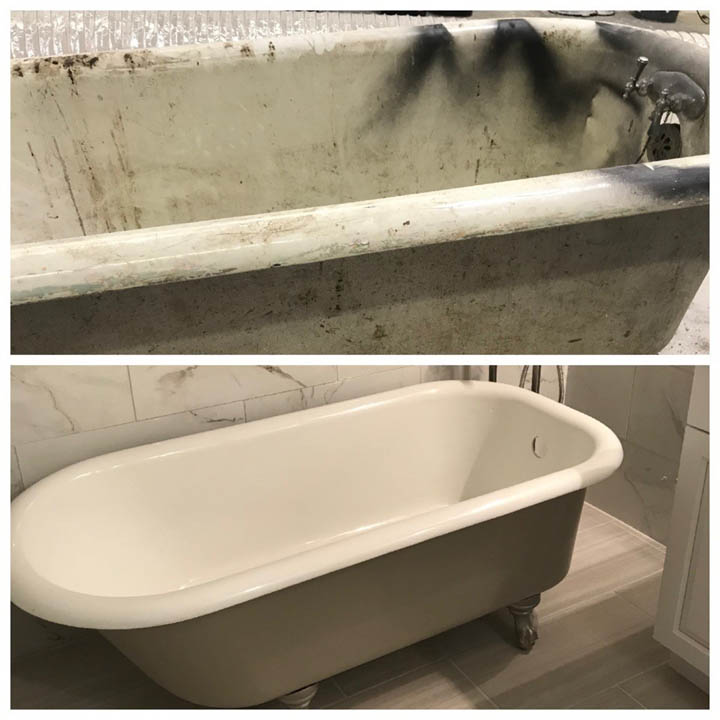
Bathtub Refinishing for Rental Properties: A Landlord’s Guide to Faster Turnovers and Lower Costs
June 6, 2026
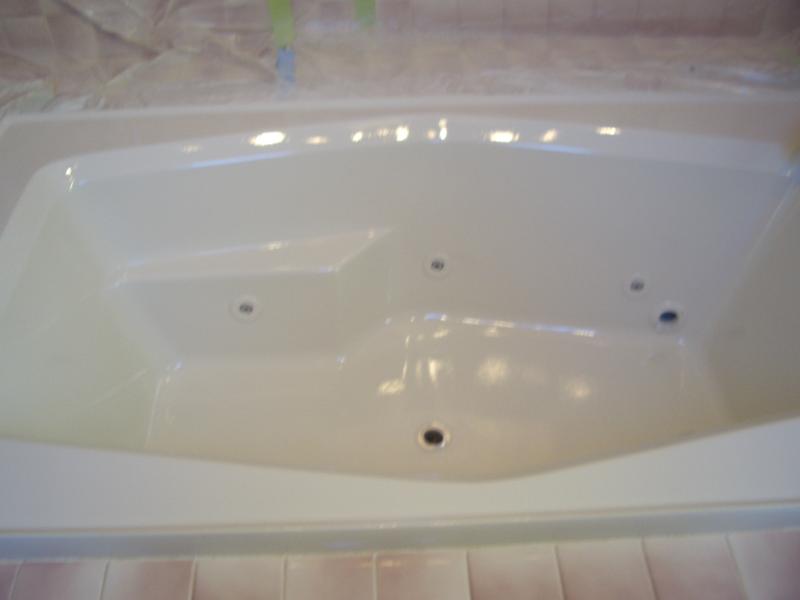
Acrylic Bathtub Resurfacing: Cost, Process & What Chicago Homeowners Should Know
June 12, 2026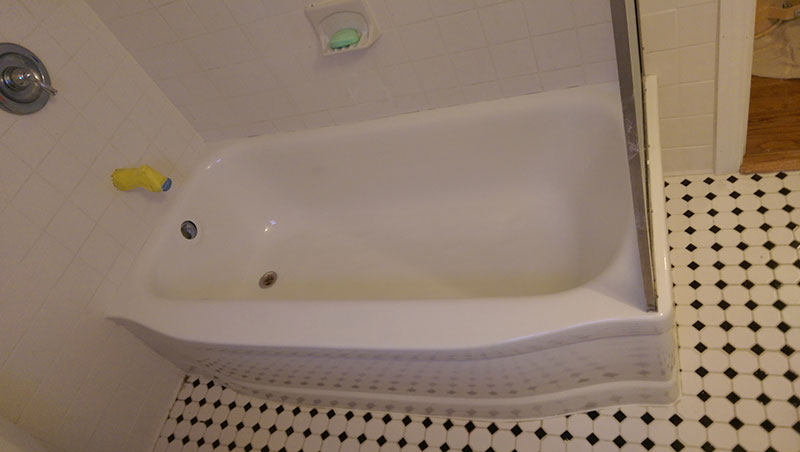
How Much Does Bathtub and Tile Reglazing Cost in 2026?
A standard bathtub and tile reglazing project costs between $800 and $1,200 when you have both the tub and the surrounding shower tile done together in a single appointment. That price covers surface preparation, primer, multiple coats of finish material, and curing. Doing the tub alone runs $350–$600. Adding tile refinishing to the same job adds roughly $400–$600 depending on how much tile square footage is involved. Bundling both into one visit almost always saves money compared to booking them separately because the technician is already on-site with materials prepped.
Quick Cost Reference: Tub, Tile, and Combined Pricing
| Project Type | Typical Cost Range | Time on Site | Best For |
|---|---|---|---|
| Bathtub only | $350–$600 | 3–5 hours | Tub in decent shape, tile already updated or not visible |
| Tile surround only (avg 40–60 sq ft) | $400–$700 | 4–6 hours | Tile is dated or stained but tub is fine |
| Bathtub + tile surround combo | $800–$1,200 | 5–8 hours | Full bathroom refresh without demolition |
| Bathtub + full bathroom tile (floor included) | $1,200–$2,500 | 1–2 days | Total bathroom overhaul on a budget |
| Tile reglazing per square foot | $4–$12/sq ft | Varies | Estimating larger or custom-sized areas |
These ranges reflect national averages. In the Chicago metro area, expect pricing toward the middle-to-upper end of these ranges due to higher labor costs. The good news: even at the upper end, reglazing a tub and tile surround together costs roughly 20–30% of what a full tear-out and replacement would run.
What Drives the Price Up or Down?
The biggest factor is surface area. A standard 60-inch alcove tub with a three-wall tile surround up to the showerhead (roughly 45–55 square feet of tile) falls squarely in that $800–$1,200 range. But several variables can push costs in either direction.
Factors That Increase Cost
Surface damage: Chips, cracks, or rust spots require patching and repair before the coating can be applied. Each chip repair typically adds $25–$50 to the total. A heavily damaged tub with multiple repairs can add $100–$200 to the base price. Tile condition: Cracked or missing grout lines need to be filled and smoothed before reglazing. Loose tiles must be re-adhered. Mold or mildew: If there’s mold behind the caulk lines or in grout joints, the technician needs to treat it before applying any coating. This prep work adds time and cost. Non-standard sizes: Garden tubs, oversized soaking tubs, or tile surrounds that extend to the ceiling all increase square footage and material usage. Color changes: Going from a dark color to white requires additional coats for full coverage, which can add $50–$150.
Factors That Decrease Cost
Good condition: A tub and tile that are structurally sound but just look dated require minimal prep, which keeps labor hours down. Labor accounts for 70–80% of the total project cost, so less prep means real savings. Standard white finish: White is the most common finish color and requires fewer coats than custom colors. Bundling: Having the tub and tile done in the same visit eliminates a second setup charge. Most companies save $100–$200 on a bundled job versus two separate appointments.
How Does Reglazing Compare to Full Replacement?
This is where the math makes the strongest case. A full bathtub replacement (removal, plumbing, new tub, new tile, installation) runs $3,000–$7,000 in the Chicago area. Adding tile replacement to a full bathroom remodel can push the total to $8,000–$15,000 depending on materials and scope.
| Category | Reglazing (Tub + Tile) | Full Replacement (Tub + Tile) |
|---|---|---|
| Total cost | $800–$1,200 | $5,000–$15,000 |
| Time to complete | 1 day | 1–3 weeks |
| Bathroom downtime | 24–48 hours | 1–3 weeks |
| Demolition needed? | No | Yes |
| Plumbing work? | No | Usually yes |
| Lifespan of result | 10–15 years | 20–30 years |
| Dust/debris | None | Significant |
The break-even math: if reglazing costs $1,000 and lasts 12 years, that’s about $83 per year of refreshed bathroom. A $10,000 replacement lasting 25 years works out to $400 per year. Even if the reglazed surface only lasts 10 years, you could reglaze three times over 30 years for $3,000 total and still spend less than a single replacement. For homeowners who want to update a bathroom without major construction, the economics are hard to argue with.
What Does the Reglazing Process Actually Involve?
A professional reglazing job follows a specific sequence, and understanding it helps explain why pricing varies. The process typically takes 5–8 hours for a combined tub and tile job.
Step 1 — Surface preparation (1–2 hours): The technician removes all old caulk, cleans every surface with industrial-grade cleaners, and etches the existing finish with an acid or abrasive to create a bonding surface. This is the most labor-intensive part and the step where experience matters most. Poor prep is the number one reason reglazing fails prematurely.
Step 2 — Repair work (30–60 minutes): Any chips, cracks, or rough spots are filled with a bonding compound and sanded smooth. On tile, cracked grout lines are filled and loose tiles are secured.
Step 3 — Masking and ventilation (30 minutes): The technician masks off all fixtures, drains, and surrounding surfaces. Proper ventilation is set up because the coating materials require adequate airflow during application.
Step 4 — Primer and finish coats (2–3 hours): A bonding primer is applied first, followed by multiple coats of the finish material. Professional-grade coatings are sprayed (not rolled or brushed) for a smooth, factory-like finish. The number of coats depends on the color and condition of the underlying surface.
Step 5 — Curing (24–48 hours): The surface needs 24–48 hours to fully cure before water exposure. During this time, the bathroom is off-limits for bathing or showering.
At Aarco Baths, the process uses a proprietary coating system that creates a permanent moisture barrier. The result is a smooth, high-gloss surface that resists mold, mildew, and staining. The finish wears like a new bathtub and is backed by a full 10-year guarantee.
Chicago-Area Pricing: What Local Homeowners Are Actually Paying
Chicago-area reglazing costs tend to run slightly above national averages due to higher labor rates and the cost of doing business in a major metro. Based on typical pricing in the Chicagoland market, here’s what local homeowners can expect:
| Service | Chicago Area Range | Notes |
|---|---|---|
| Standard tub reglazing | $400–$600 | 60″ alcove tub, white finish, good condition |
| Tub + 3-wall tile surround | $900–$1,200 | Most common residential job |
| Tub + tile + floor tile | $1,400–$2,500 | Full bathroom refinishing |
| Tile surround only | $500–$750 | When tub is already in good shape |
The housing stock matters here. Many Chicago-area homes, especially in neighborhoods like Lincoln Park, Lakeview, and the near-west suburbs, have original cast iron tubs from the 1920s–1960s that are structurally excellent but cosmetically dated. These are ideal candidates for reglazing because the underlying tub is often better quality than what you’d buy new today. Removing a cast iron tub is also extremely labor-intensive (they weigh 300–400 pounds), which makes the cost differential between reglazing and replacement even more dramatic.
Aarco Baths has been refinishing bathtubs in the Chicago area since 1963, with studio locations in Chicago, Addison, and Naperville. Over six decades of work across Chicagoland homes means they’ve seen every era of bathroom construction and know which approach works best for each situation.
Our Cost Analysis: Reglazing vs. Replacement Across 3 Bathroom Scenarios
To illustrate how the numbers play out in practice, we modeled three common bathroom scenarios that Chicago-area homeowners face. Each uses real pricing ranges from the local market.
| Scenario | Reglaze Cost | Replace Cost | Savings | ROI Period |
|---|---|---|---|---|
| 1950s bungalow, cast iron tub + original tile | $1,000 | $8,500 | $7,500 (88%) | Immediate |
| 1990s suburban bath, fiberglass tub + tile surround | $900 | $5,200 | $4,300 (83%) | Immediate |
| Rental unit turnover, standard tub + basic tile | $850 | $4,800 | $3,950 (82%) | Recovered in 2–3 months of rent |
In every scenario, reglazing delivers over 80% cost savings. For the 1950s bungalow scenario, the savings are especially notable because removing the cast iron tub would require additional structural work and potentially damage surrounding tile and flooring. Reglazing sidesteps all of that demolition risk.
For rental property owners managing multiple units, the per-unit savings compound quickly. Refinishing five rental bathrooms instead of replacing them saves roughly $20,000–$35,000. That’s capital that can go toward other improvements with higher ROI.
How Long Will a Reglazed Tub and Tile Last?
With professional application and proper care, a reglazed bathtub and tile surface lasts 10–15 years. The key variables are the quality of the coating material, the thoroughness of the surface preparation, and how the homeowner maintains it afterward.
Maintenance is straightforward: clean with non-abrasive cleaners (no Comet, no Barkeeper’s Friend, no abrasive scrub pads), keep caulk lines sealed, and avoid dropping heavy objects on the surface. A refinished tub cleaned with a soft sponge and mild bathroom cleaner will maintain its gloss for years.
Aarco Baths backs their refinishing work with a full 10-year guarantee. The proprietary finish they use creates a permanent barrier to moisture, so the reglazed surface resists the mold, mildew, and staining problems that plague aging grout and caulk.
Frequently Asked Questions
Is it cheaper to reglaze the bathtub and tile together or separately?
Together is almost always cheaper. Bundling the tub and tile into a single appointment typically saves $100–$200 compared to booking them as two separate jobs. The technician is already on-site with all materials prepped, so the marginal cost of adding tile to a tub job is lower than doing tile as a standalone visit. Most companies price the combo at $800–$1,200, whereas doing them separately might total $900–$1,400.
Can you change the color of tile when reglazing?
Yes. Reglazing can change tile from any color to white, off-white, almond, or other standard colors. Going from a dark tile to a light finish may require additional coats, which can add $50–$150 to the project cost. The color change is one of the biggest visual impacts of tile reglazing, especially for bathrooms with dated pink, green, or brown tile from the 1950s–1970s.
How long do you have to wait to use the shower after reglazing?
Plan for 24–48 hours of curing time before the tub or shower can be used. During this period, avoid any water contact with the reglazed surfaces. The coating needs this time to fully harden and bond. Using the shower too early is one of the most common causes of premature finish failure, so patience here pays off in durability.
Does reglazing work on all types of tile?
Professional reglazing works on ceramic, porcelain, and most types of wall tile commonly found in bathrooms. It is not recommended for natural stone tiles (marble, granite, travertine) because the coating does not bond reliably to those surfaces. Floor tile can be reglazed but has a shorter lifespan than wall tile due to foot traffic wear. Most professionals recommend reglazing wall and surround tile only, and considering other options for heavily trafficked floor areas.
What’s the difference between reglazing, refinishing, and resurfacing?
These three terms all describe essentially the same process: applying a new finish coating over an existing bathtub or tile surface. “Reglazing” is the most common term in the Chicago area and the Northeast. “Refinishing” is widely used across the industry. “Resurfacing” is more common in the South and West. The actual process, materials, and results are the same regardless of which term a company uses.
Getting an Accurate Quote for Your Project
The ranges listed in this guide cover most standard residential bathrooms, but every project has unique variables. The most reliable way to get an accurate price is to have a professional assess your specific tub and tile in person. Key details that affect your quote: the size and type of your tub, the total square footage of tile to be reglazed, the current condition of all surfaces, any repairs needed, and the finish color you want.
Aarco Baths has been refinishing bathtubs and tile across the Chicago area for over 60 years. With locations in Chicago, Addison, and Naperville, they serve homeowners, landlords, and property managers throughout Chicagoland. Their work comes with a 10-year guarantee. You can contact Aarco Baths to schedule an assessment and get a quote specific to your bathroom.